Wallbox · IoT · Consumer App · Design Operations

Making energy management feel effortless

Timeline 2022 – 2023
My role Product Design Manager
Scope Design Hub · App redesign · Design system
App store rating 2.64 From one of the worst-rated apps in its category to a product users recommended.
Connection success 8396% Charger-to-app reliability — the most common complaint, resolved.
Delivery speed −40% Faster from concept to shipping once the design system was in place.

Great hardware —
but an app built by engineers,
for engineers
.

Wallbox made some of the most awarded electric vehicle chargers in the world. Their hardware sat in homes and offices across five continents. But the app that controlled it all — MyWallbox — had a 2.6-star rating and was full of complaints.

Users loved their chargers. They dreaded opening the app. For a company whose entire value proposition was a connected, smart charging experience, this was a serious problem.

"The charger is beautifully designed. The app makes me feel stupid."

User interview, March 2022

But a bad interface was only the symptom. The real issue was how the product was being made: three teams working in isolation, no shared design language, and features being shipped without anyone asking what the user actually needed.

First, build the team.
Then, build the product.

The instinct in these situations is to jump straight to redesigning screens. Instead, I proposed something different: build a Design Hub — a shared structure that would connect three separate squads and give them a common way of working.

One designer embedded in each squad. A shared design system they all contributed to and drew from. And a set of regular ceremonies that would replace ad-hoc decisions with something more deliberate.

The idea was simple: when teams share a system and shared rituals, good design stops depending on the right person being in the right meeting. It becomes structural.

A shared language
that made everyone faster

Before the design system, each squad was building components from scratch. The same button existed in six slightly different versions. Designers spent time recreating things that already existed. Engineers questioned which version was correct.

We built the system in parallel with the redesign — not before it and not after it, but alongside it. Every screen we designed either used an existing component or became the source of a new one. Three months in, new features took hours instead of days.

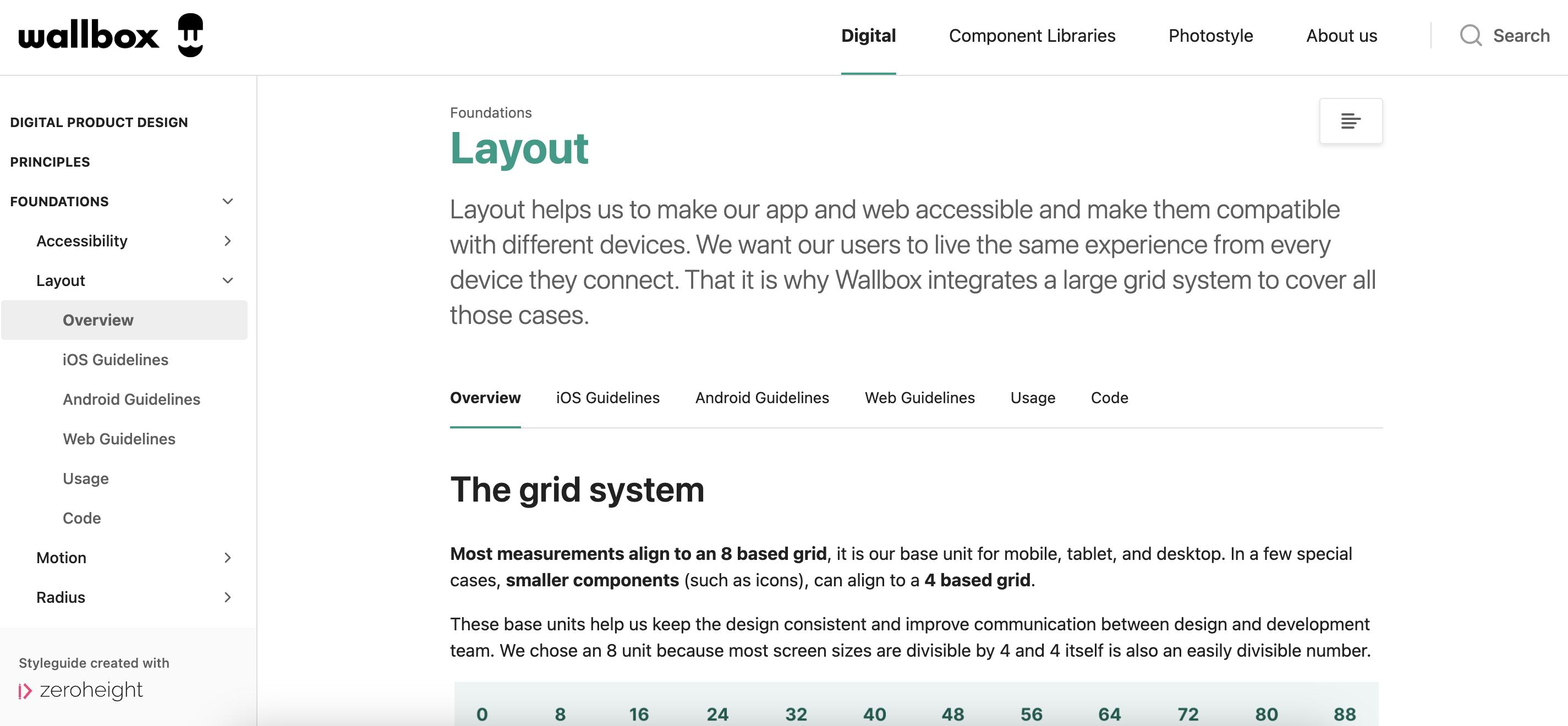
The system was documented in ZeroHeight so engineers could use it directly. It wasn't just a Figma file — it was a shared contract between design and engineering.

Wallbox design system components in Figma and ZeroHeight documentation

The design system in Figma and its documentation in ZeroHeight, used by design and engineering across all three squads.

Stop showing the system.
Start showing the outcome.

84% of all app sessions went through the Charger Control screen. That became our proving ground — the place to show that a completely different approach was possible.

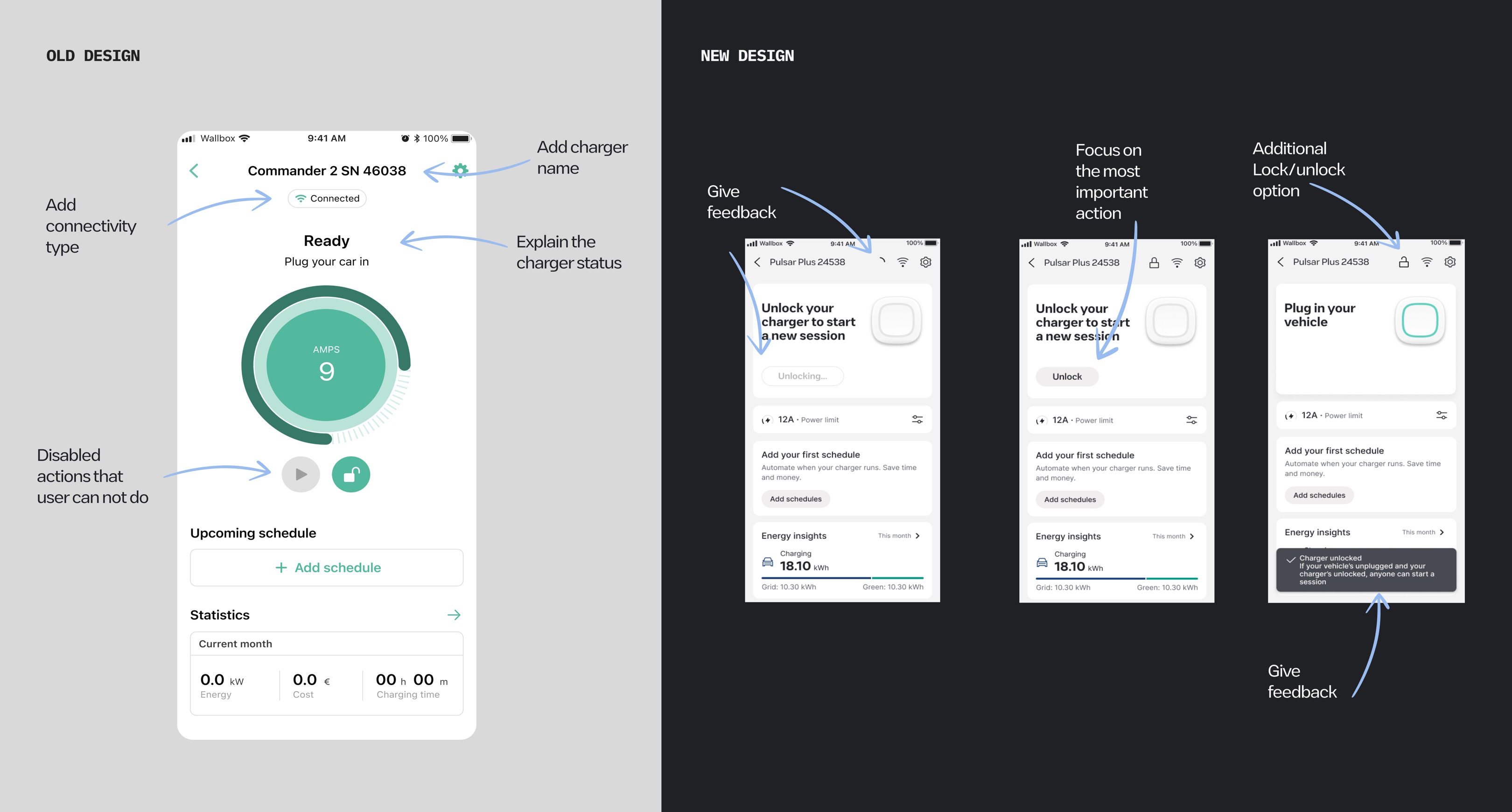
The app had been built from the inside out: it exposed what the hardware was doing, using technical language that made sense to engineers. Users didn't care about amps — they cared about whether their car would be charged in time for their morning commute. We flipped the model.

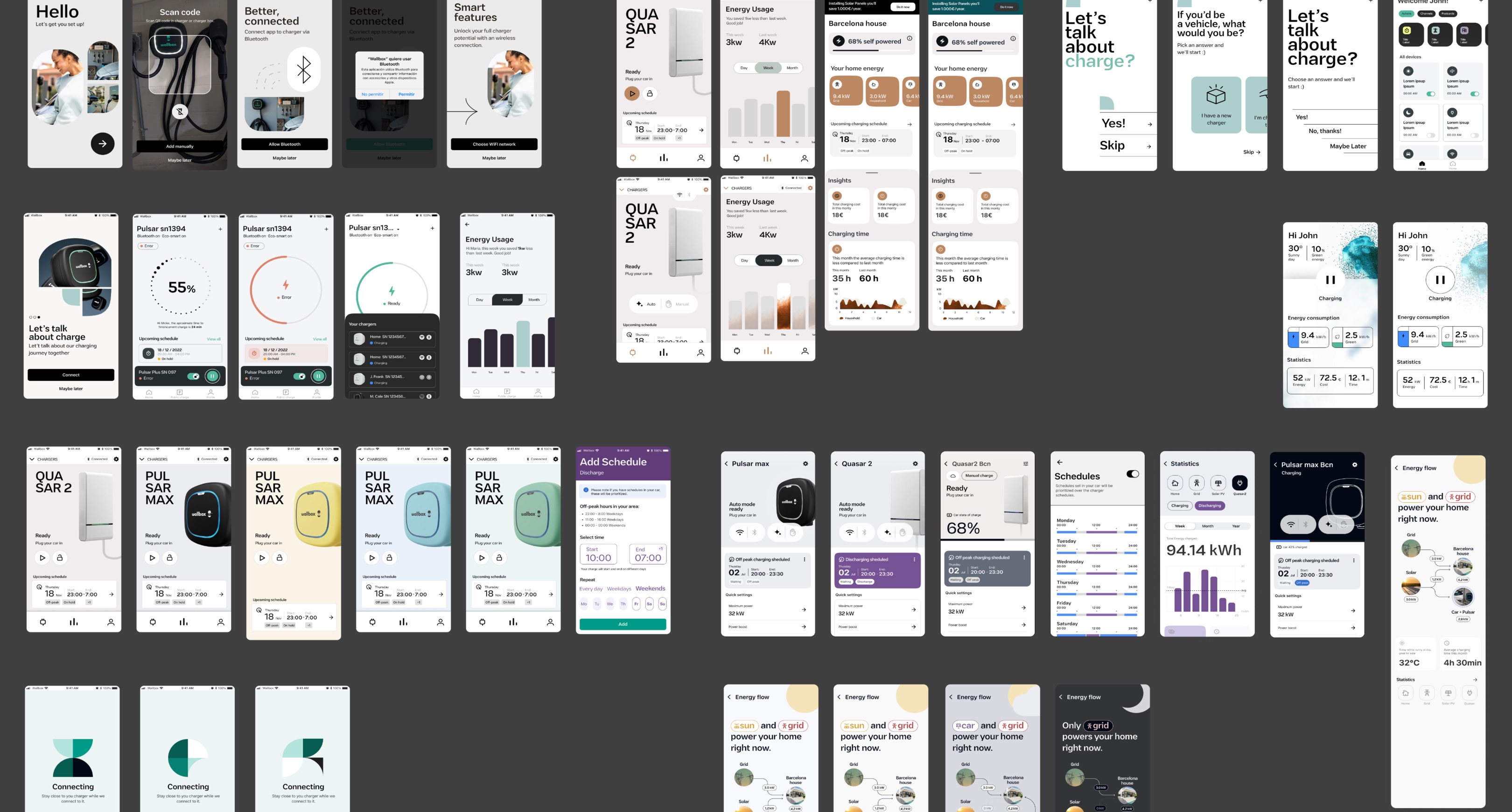
The redesign replaced jargon with plain language, collapsed twelve status colors into four clear states, and surfaced the information users actually needed — charge time remaining, energy cost, green energy percentage — without requiring any technical knowledge.

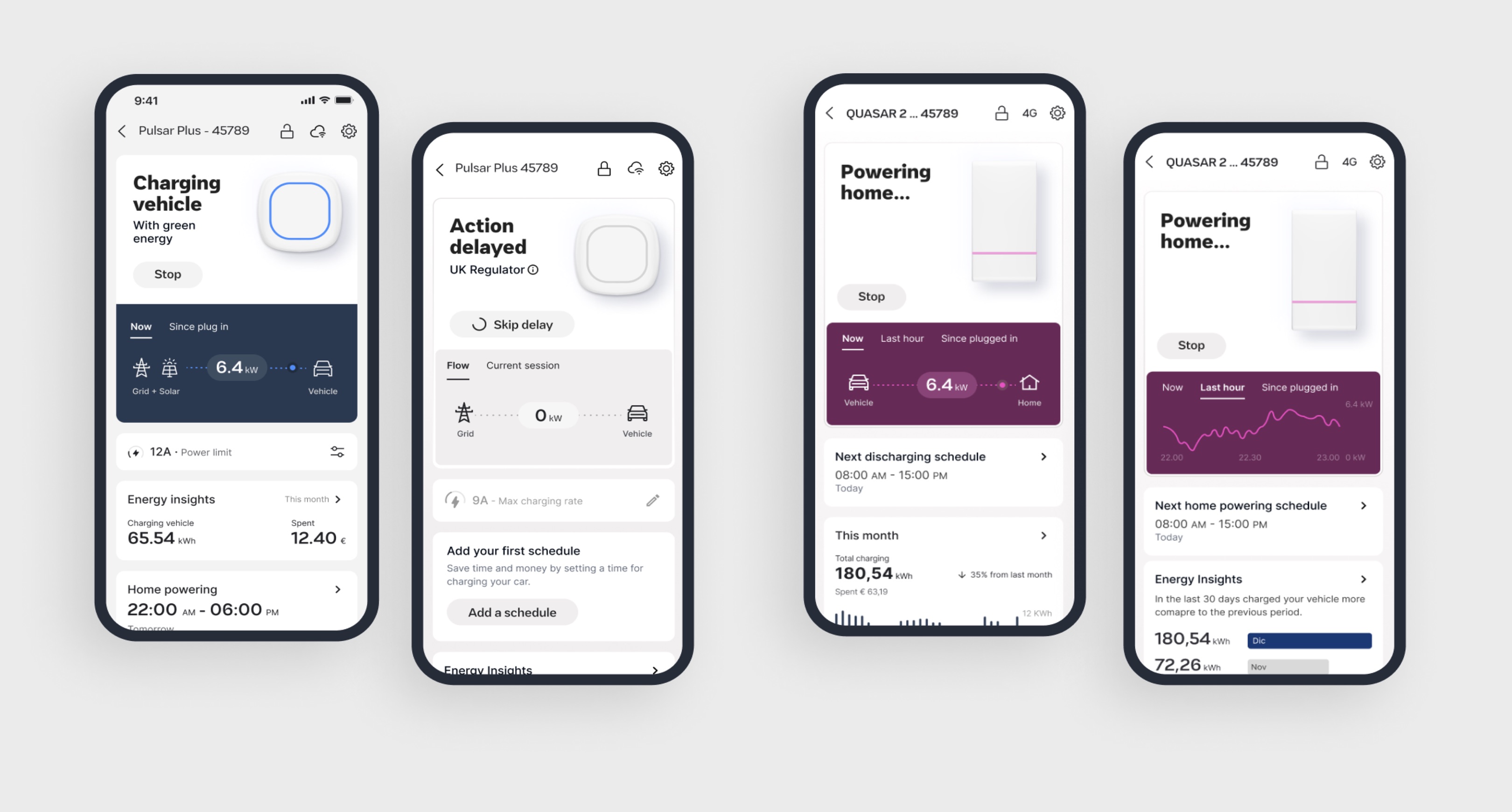
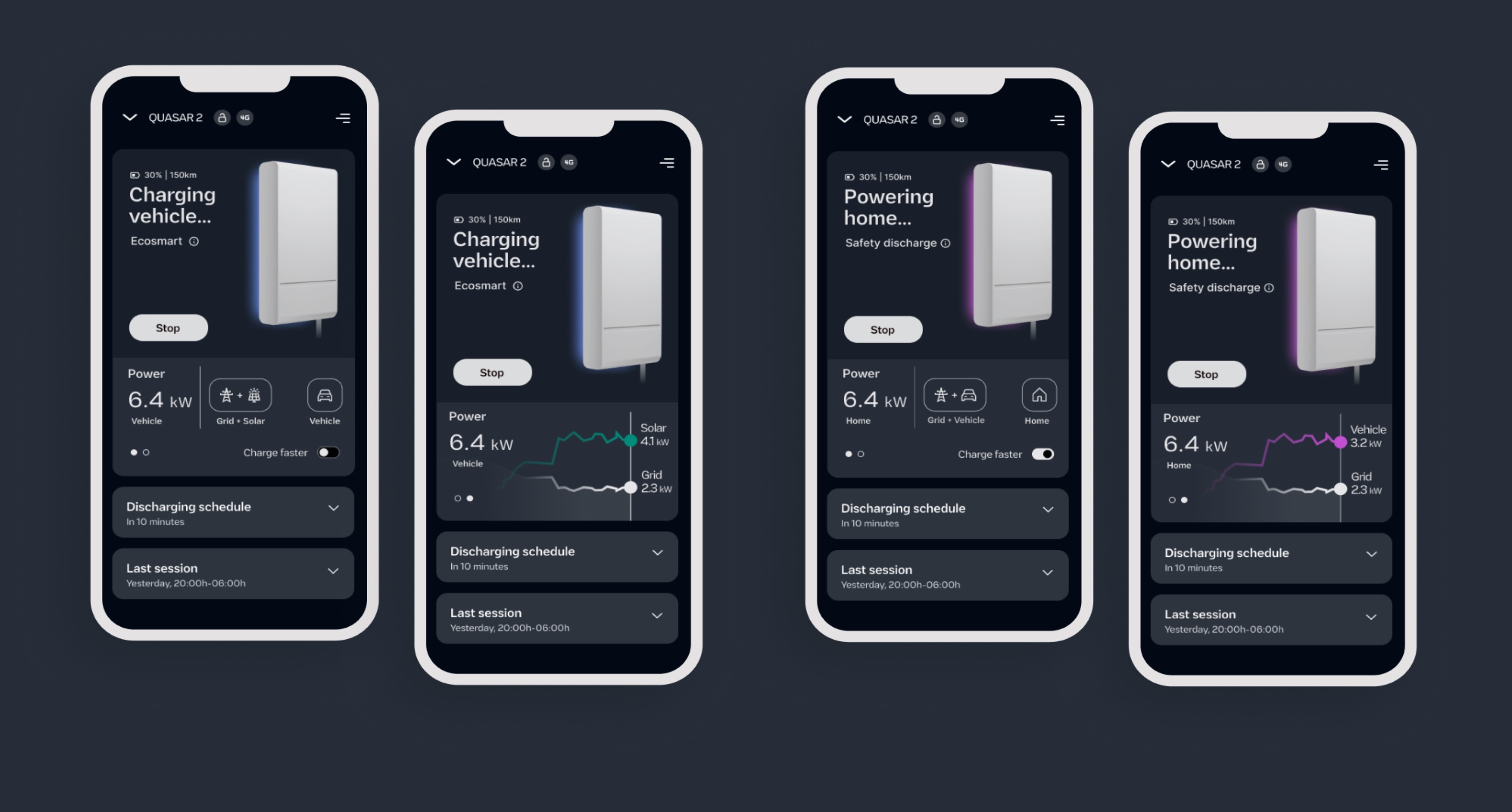
MyWallbox redesigned app screens showing new charger control, energy insights, and scheduling flows

The redesigned MyWallbox app — charger control, energy dashboard, scheduling, and onboarding.

What changed Before After
What the app shows Technical data — amps, raw error codes, status colors Outcomes — time to full charge, energy cost, green percentage
Status communication Twelve color states with no explanation Four clear states with a plain-language sentence describing what's happening
Available actions All options visible at all times, regardless of context Contextual — only what's actually possible right now is shown
Errors Technical error codes that required looking up Clear explanation of what happened, plus a suggested next step
Onboarding A setup process that assumed technical knowledge Step-by-step guidance designed for someone setting up their first EV charger

Results that outlasted the project

The rating went from 2.6 to 4 stars. Connection success jumped from 83% to 96%. But the most significant change wasn't a metric — it was organizational.

When I left, Wallbox had a functioning Design Hub with six designers across three squads, a documented design system that engineering used daily, and a culture where design was part of every sprint — not a hand-off at the end of one.

The infrastructure would keep working long after any individual project was done.

For users

An app that finally matched the hardware

Features that made sense without a manual. Status information that didn't require an electrical engineering degree. The confidence to recommend Wallbox to other EV owners — which many of them started doing.

For the organisation

A design team that could scale

A shared system that made new features faster to build. A shared language between design, product and engineering that reduced the debates, the rework, and the "we need to redesign this" moments that had been costing weeks.

← All work Selected projects Next case → When one design has to
feel local everywhere